Why Fad Diets Hurt Women (And The Strategy You Need Instead)
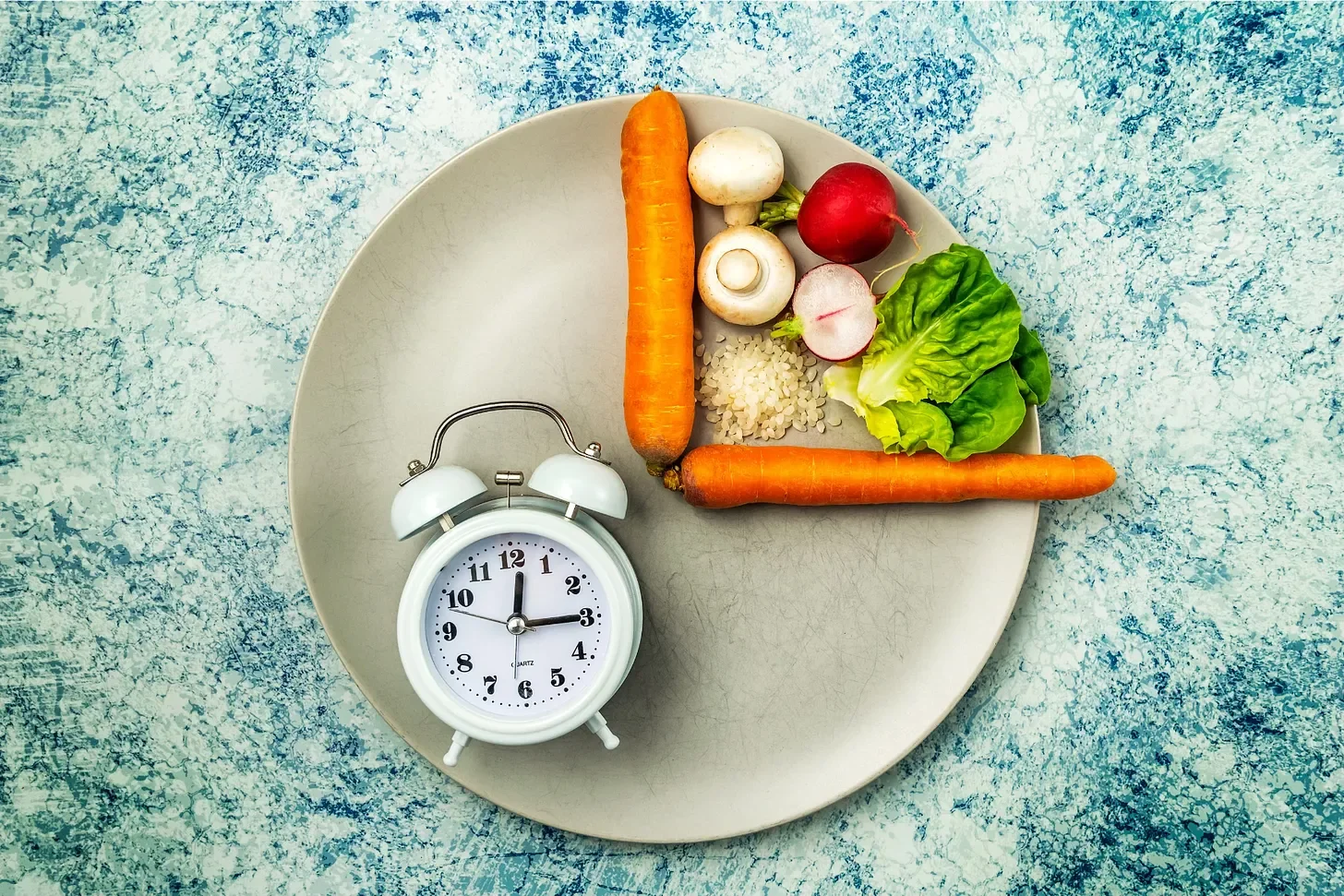
It starts with a scroll through Instagram. You see an influencer glowing with energy, touting a new 30-day challenge that promises to banish bloating and melt fat. It sounds rigorous, but the results look undeniable. You think, maybe this is the one.Maybe this is the specific set of rules that will finally unlock the version of yourself you’ve been chasing. You buy the supplements, download the app, and clear your pantry.
Three weeks later, you’re exhausted, irritable, and craving carbohydrates with an intensity that feels almost primal. You eventually cave, the weight comes back (often with interest), and the cycle of guilt begins anew.
If this sounds familiar, understand this: the failure isn’t yours. The system you’ve been sold is fundamentally broken. Fad diets are designed to be temporary, yet they promise permanent results. This mismatch is why so many women find themselves trapped in a revolving door of restriction and rebound. To break the cycle, we need to understand why these diets fail, why they target women so aggressively, and how a strategic, long-term approach can get you the results you actually want.
The allure of the “Black and White” solution
Whether it’s the ketogenic diet, Whole30, or a juice cleanse, fad diets share a common psychological hook: simplicity. They divide the world into “good” foods and “bad” foods. This binary approach is incredibly appealing because it removes the mental load of decision-making. You don’t have to think about portion sizes or nutrient timing; you just have to follow the rules.
Diets like Keto or strict cleanses offer a sense of control. They market themselves as a “reset” for your body, a way to wipe the slate clean. However, nutrition experts at OHSU point out that while these methods might offer short-term weight loss, they are rarely sustainable. Life is not black and white; it is full of gray areas like birthday parties, work dinners, and stressful weeks. A diet that demands perfection will inevitably break under the pressure of real life.
When a diet cuts out entire food groups—like dairy, grains, or fruit—it creates nutritional gaps. More importantly, it creates a psychological deficit. The moment you label a food as “forbidden,” it becomes significantly more desirable. This isn’t a lack of willpower; it is human psychology.
The target on your back
It is no coincidence that the vast majority of weight loss marketing is directed at women. From a young age, women are conditioned to view their bodies as projects in constant need of improvement. This insecurity is a multi-billion dollar industry.
Research highlights that marketing campaigns often disguise restrictive dieting as “self-care.” You might see ads for apps that claim to fit a busy student lifestyle or a working mom’s schedule, using empowering language like “you’re worth it.” Yet, beneath the slick branding lies the same old mechanism: severe caloric restriction.
Social media exacerbates this pressure. Algorithms are designed to feed you content that engages you, and unfortunately, insecurity drives engagement. If you pause on a weight loss post, you will see ten more. This digital echo chamber convinces women that everyone else has figured it out, and that they are the only ones struggling.
This targeting has serious consequences. The constant exposure to dieting media is linked to higher rates of body dissatisfaction and disordered eating behaviors. By buying into these programs, women aren’t just losing money; they are often sacrificing their mental health and body image.
Why the biology backfires
The most frustrating part of fad dieting is that it works against your physiology. When you drastically cut calories or eliminate macronutrients, your body doesn’t know you want to look good for a vacation. It thinks you are starving.
In response, your body deploys powerful survival mechanisms. Your metabolism slows down to conserve energy. Hormones that control hunger, like ghrelin, spike, while hormones that signal fullness, like leptin, plummet. You aren’t just “hungry”; you are fighting a biological imperative to eat.
According to the American Heart Association, this is why the rebound weight gain is so common. Once the diet ends (and it always ends), your body is primed to store fat rapidly to protect against future “famines.” You regain the weight, but your metabolism often remains slower than it was before you started. This is the physiological trap of yo-yo dieting.
Furthermore, many of these diets lack scientific backing. While the Mediterranean diet and DASH diet have decades of research supporting their benefits for heart and brain health, many trendy cleanses rely on anecdotal evidence and celebrity endorsements. Real science is rarely flashy. It doesn’t promise you will drop two dress sizes in a week. It tells you that sustainable change is slow, boring, and consistent.
The hidden cost of “Quick Fixes”
The physical toll is clear, but the mental toll is just as damaging. The restriction mentality fosters a relationship with food built on anxiety and guilt. Every meal becomes a pass/fail test. If you eat the “wrong” thing, you feel like a failure. This binary thinking erodes self-trust.
This cycle is particularly harmful to young women. As noted by student publications like the Western Gazette, college-aged women are highly susceptible to diet culture masquerading as wellness. When large corporations exploit insecurities for profit, they create a generation of women who are afraid of food.
True health is not just about the number on the scale; it is about how you relate to your body. A system that relies on shame and deprivation can never lead to long-term wellness.
A better strategy: System over sensation
If fad diets are the problem, what is the solution? It isn’t another set of rules. It is a better strategy.
Sustainable progress comes from small, incremental changes that compound over time. It’s about building a lifestyle you can maintain for years, not weeks. This approach focuses on adding value to your diet rather than taking things away.
Consider these strategic shifts:
Hydration: Instead of banning soda, focus on drinking more water.
Addition: Instead of cutting carbs, focus on adding a serving of vegetables to every dinner.
Preparation: Instead of relying on willpower at 6 PM, pack a lunch or prep ingredients on Sunday.
These changes seem small, but they reframe the process. You aren’t restricting; you are optimizing. You are building habits that can withstand a busy work week or a family vacation.
Why coaching wins where dieting fails
This is where the value of a structured coaching program becomes clear. A fad diet gives you a generic rulebook. A coaching program gives you a personalized strategy.
Most fitness and nutrition programs fail because they assume you are a robot who will execute commands perfectly. A good coaching program assumes you are a human being with a job, a family, and a life. It is built to accommodate those variables, not ignore them.
Working with a coach provides the one thing an app cannot: context. A coach helps you navigate the gray areas. When you have a stressful week and can’t hit the gym, a coach helps you adjust the plan rather than quit entirely. When you hit a plateau, a coach looks at the data to make an objective decision, saving you from the emotional spiral of “trying harder” without results.
Investing in coaching is an investment in education. You aren’t just being told what to eat; you are learning how to fuel your body. You are learning the principles of training, nutrition, mindset, and recovery so that eventually, you won’t need a coach at all.
Stop renting your results
Fad diets are like renting a body. You pay a high price in energy and misery to look a certain way for a short time, but eventually, the lease is up, and you have to give it back.
It is time to own your results. Stop looking for the magic pill or the secret reset button. They do not exist. What exists is the unglamorous but effective work of consistency. It involves eating whole foods, moving your body in a way you enjoy, and being patient enough to let the process work.
You deserve a system that supports your life, not one that consumes it. Step off the rollercoaster of crash dieting and start building a foundation that will last.